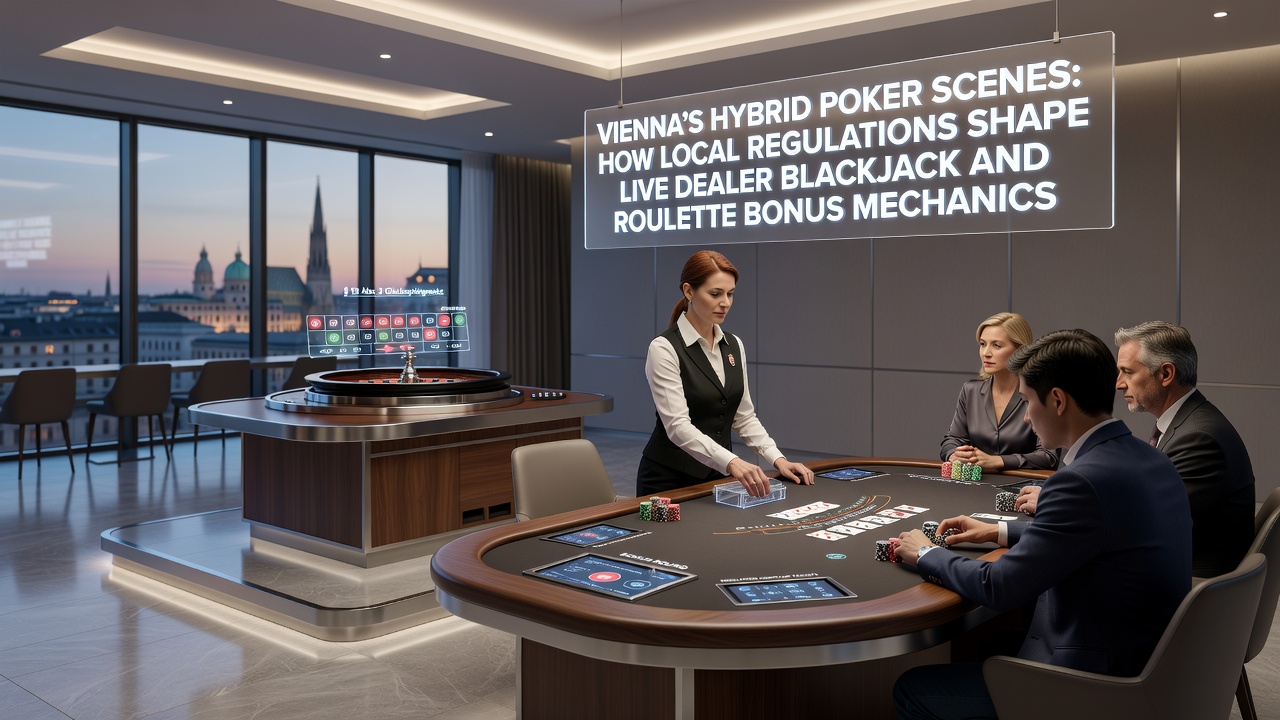
Vienna's Hybrid Poker Scenes: How Local Regulations Shape Live Dealer Blackjack and Roulette Bonus Mechanics
Austrian gaming laws govern the hybrid poker scenes that blend physical tables with digital interfaces in Vienna, and these rules directly influence how operators structure bonuses for live dealer blackjack and roulette; the framework stems from federal legislation that sets clear boundaries on promotions while requiring operators to maintain transparency in all bonus calculations and payout structures.
Regulatory Foundations in Austria
Data from the Austrian Federal Ministry of Finance shows that licensing requirements for casinos demand adherence to strict guidelines on bonus mechanics, which means live dealer games cannot offer unlimited free bets or matches without corresponding wagering thresholds tied to player protection standards; these provisions took shape through updates in prior years and continue to evolve with scheduled reviews.
Operators in Vienna integrate hybrid elements into poker rooms where players access both in-person and streamed sessions, yet the same regulatory overlay applies when extending bonus features to blackjack and roulette variants; research from the University of Vienna's Institute for Gambling Studies indicates that such integration must include verifiable audit trails for every bonus redemption to satisfy compliance audits conducted by state authorities.
Effects on Blackjack Bonus Structures
Live dealer blackjack bonuses in Vienna face caps on initial deposit matches and mandatory playthrough multipliers that reflect federal mandates aimed at curbing excessive risk exposure, while hybrid poker environments allow seamless transitions between table types without altering these core bonus parameters; according to reports issued by the Austrian Gaming Association, operators adjusted their systems ahead of the August 2026 implementation date for revised reporting protocols that track bonus usage across both physical and digital channels.
Those who operate hybrid setups often combine poker tournaments with side blackjack promotions, and the rules require separate accounting for each game type so that bonus funds allocated to roulette or blackjack do not cross-subsidize poker play in ways that violate allocation limits; figures released by regulatory bodies reveal consistent enforcement actions when violations occur, prompting facilities to refine their software interfaces accordingly.
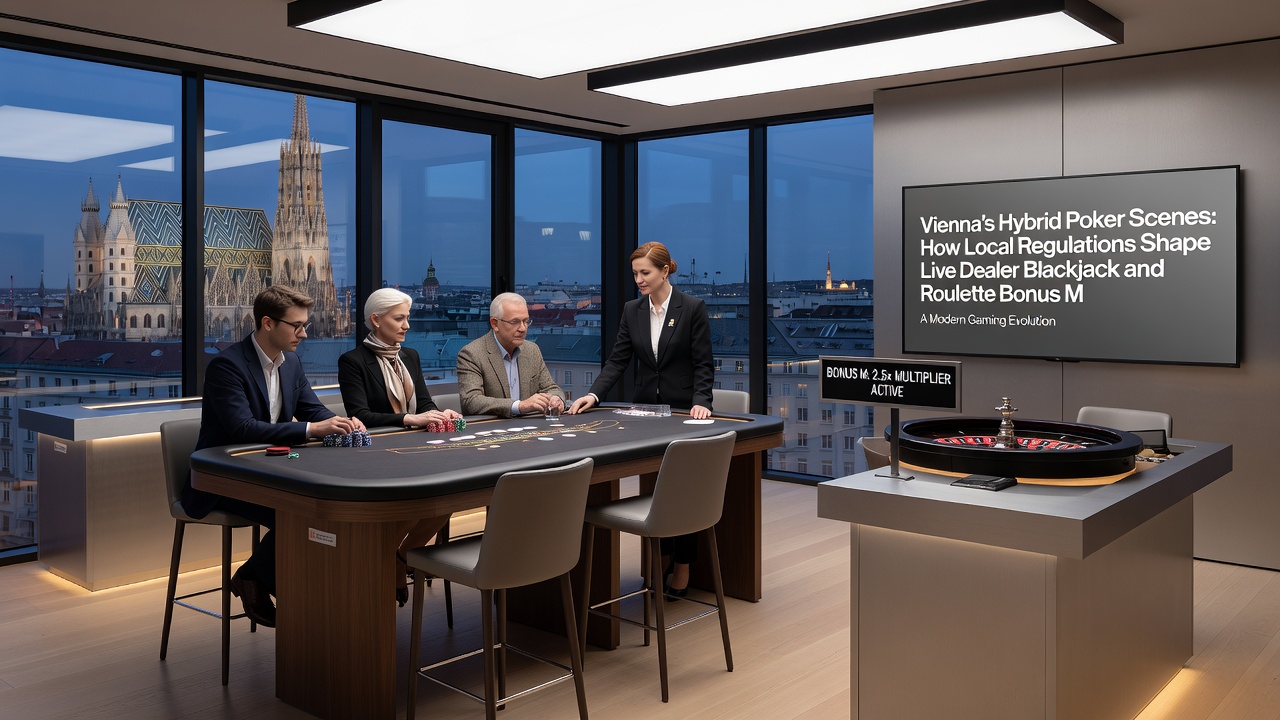
Roulette Bonus Mechanics Under Local Oversight
Roulette bonuses in Vienna's hybrid scenes incorporate time-bound validity periods and maximum win caps that stem directly from licensing conditions, and these elements ensure that live dealer sessions maintain parity with poker room standards; the August 2026 updates will introduce enhanced disclosure requirements for all promotional offers, compelling venues to display exact terms during gameplay rather than in separate menus.
Industry data compiled by European casino operators' networks demonstrates that venues in the Austrian capital have streamlined their roulette bonus triggers to align with real-time regulatory feeds, which reduces administrative burdens while preserving player access to hybrid poker experiences that feature integrated bonus tracking; observers note that this alignment helps facilities avoid penalties during routine inspections.
Hybrid Integration and Compliance Challenges
Hybrid poker scenes in Vienna allow participants to move between card tables and adjacent live dealer stations for blackjack or roulette, yet regulations mandate that bonus eligibility remains tied to verified account activity across all formats; this creates layered verification steps that operators must embed into their platforms to satisfy oversight bodies.
Case examples from licensed properties illustrate how software updates in 2025 prepared systems for the forthcoming changes, including automated alerts that notify players when bonus funds approach regulatory thresholds in either game type; such measures keep operations aligned without disrupting the flow of hybrid sessions.
Conclusion
Vienna's approach to hybrid poker scenes demonstrates how local regulations maintain consistent control over live dealer blackjack and roulette bonus mechanics through licensing, reporting, and verification protocols; the upcoming August 2026 adjustments will further standardize these processes across operators, ensuring that all promotional activities remain within established federal parameters while supporting the continued operation of integrated gaming environments.